Hollow and Whole: Catching up with Amy Murphy
/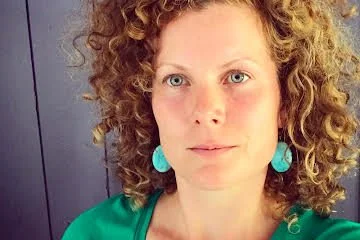
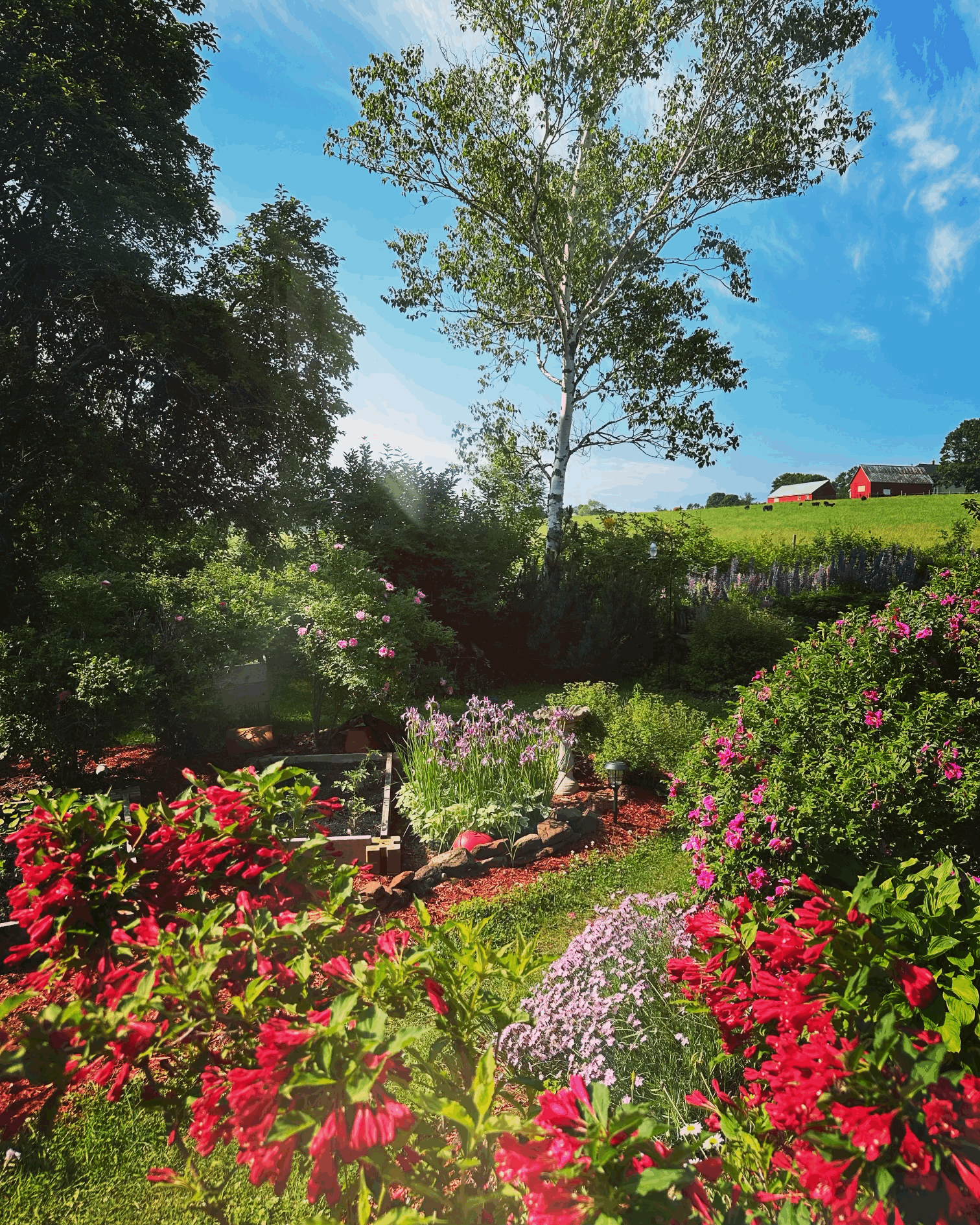
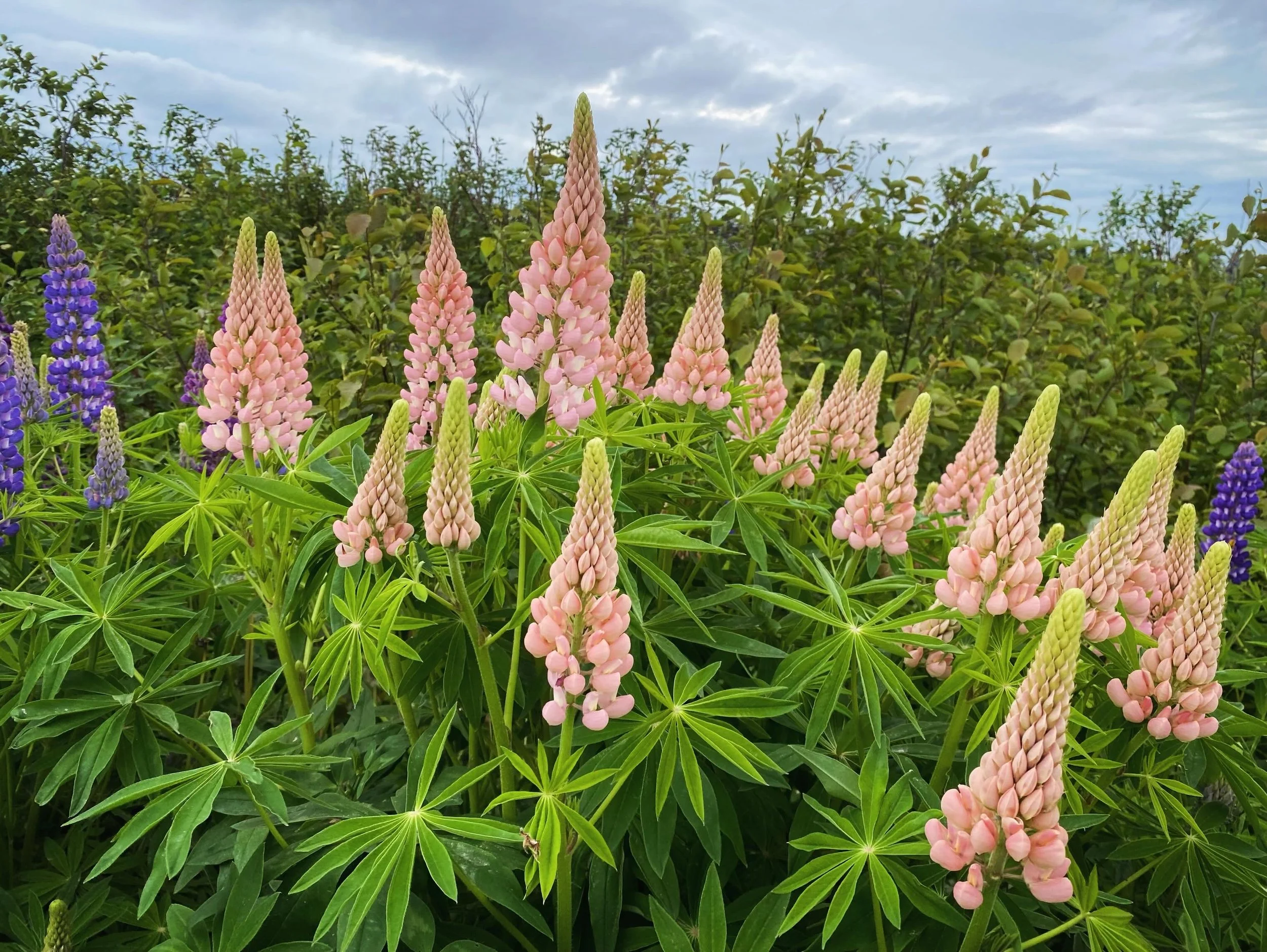
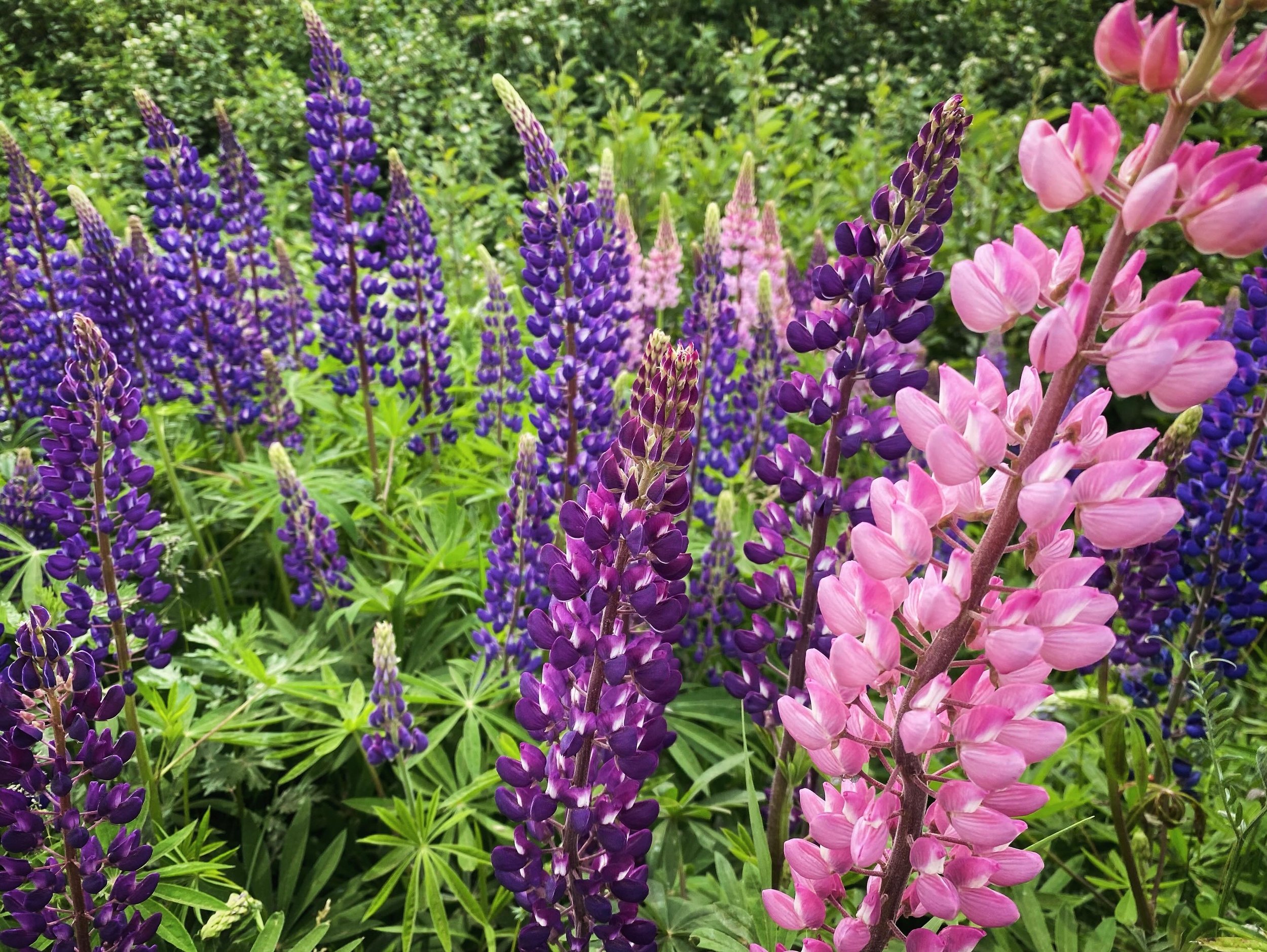
Amy Murphy joined us as a resident at The Hideout this past June to work on a couple of creative manuscripts. She was here during peak lupin season, when the purple and pink flowers are bursting from the yard and the ditches nearby. We were so inspired by Amy’s dedication to her craft and chatting about what she’d noticed during her rambles in the countryside nearby. We caught up with Amy recently to learn more about her creative practice and her current projects.
____
Tell us more about the project you were working on at The Hideout. What were your goals and what did you accomplish?
I arrived at The Hideout with the concept of creating a short story series called Hollow and Whole, a retrospective of body intelligence grounded in a bike accident. The accident road-rashed my right face, the back of my right hand, compressed my right neck, and destabilized my right shoulder. The results of this specific crash could have been much more sinister. Landscape and luck left me with what I thought were just scars, but overtime, my right arm developed a telekinetic quality.
Through segmental exploration of my own body, and through analogy and anecdote, my goal was to encourage and entice readers to sense their own body awareness more deeply. I wanted to showcase the Latin, linguistics, and lore hidden in every anatomical term. To portray the chilling and haunting beauty of neuroplasticity: one's own ability to direct energy to any part of the body in need of more.
I have been fortunate to work with the human body for the entirety of my adult life as a massage therapist. Most of my time spent working on bodies is silent, and has uniquely informed my understanding of connective tissue. I have taught many anatomy lectures over the years, and know that it is action and story-telling that brings formal terms to life. As my career advances and as I own that I am a writer, I allow myself to talk more about magic. While embracing science, I release self-inflicted discretion and sanitization surrounding the potential of the body, and attempt to describe the indescribable.
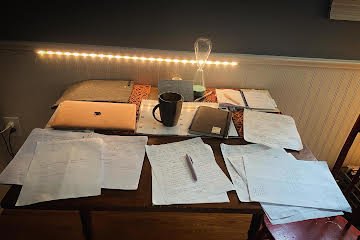
I also arrived at The Hideout with a poetry manuscript, most of which was written earlier this year. The manuscript contained two long poems: the witch in my hands, and the witch that I am. The poems are lengthy, numbered, and drifting from scene-to-scene. They exist as stand-alones. While at The Hideout, I found a fresh way to honor the poems by dividing and inserting stanzas alongside my new work. The structure of Hollow and Whole now more or less looks like: prose scene, supporting poem, prose scene, supporting poem…I am so happy with this result.
What does a regular creative practice look like for you?
As soon as I wake up, I capture my freshest brain, unless my schedule does not allow it. I start the kettle and go instantly to my channeling journal and write until I naturally stop. I simply empty my brain, no benchmark. It is often a paragraph or two, or a page, sometimes two or three. I allow the channeling to show me what I’m thinking. I may not use the work. Most often, once I’ve filled an entire journal, I will re-read it and pull the energy from it by circling favorite words, usable lines, and by dog-earing pages. I will then transfer anything useful into a larger journal and turn those highlights into found prompts. When I have the energy, I will rapid-write on each prompt! I concentrically channel on channeling. There is no hurry. I close the book and walk away often, knowing that I have a record of my subconscious when I am ready for it.
The same larger journal for prompts mentioned above is where I keep any thoughts I am not ready to develop, but ones I know matter. I walk and run often, which always stimulates what’s really “in” there. A worthwhile philosophy or solution will surface, or, a refinement of what I am trying to say (I love Gwendolyn McEwan’s line: there’s something down there, and you want it told). I’ll stop on the sidewalk or trail and message myself, or make notes on my phone…those lines go into the prompt journal too. I guess my process is record-keeping and transcribing myself.
When I know something wants to become a scene, when a memory crystallizes and declares itself non-negotiable, I will explore it and build it. I have a specific writing playlist that is the only sound I can play while creating, I’ll put that on. If I am pulling really intense poetry out from myself, I might have to re-read poetry I admire, or listen to a darker album.
When not directly at work, I do a lot of listening, and consider all of it input. I am usually listening to a history podcast or watching a live set of a favorite artist. The way a good series is put together, audio or visual, is so useful for aiding my ability to storywrite–simply witnessing it done well and understanding choices and reasoning in whatever production I’m consuming, helps, ie.: where was the anchor? Where was the restraint?
I adore editing. I simply sit in another chair, read out loud, or to myself, and follow Anne Lamont’s rule: (it should read as) a continuous and vivid dream. As well as a simple rule from a Humber workshop: scrutinize every sentence.
Why were you drawn to a residency at The Hideout?
I was drawn to The Hideout partly due to timing. The dates served not-so-coincidentally as a borderline between my old life and my new life; I had an internally turbulent winter, and by spring, decided to move from Fredericton to Saint John. June brought me to The Hideout for further processing.
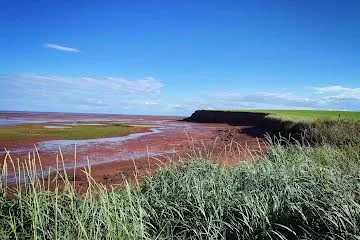
I was interested in the rural and quiet quality The Hideout offered. I am generally curious about roads and interconnectivity; I was pleased to take the opportunity to see a less-likely part of Prince Edward Island, and to explore it by bike and foot.
The farmland pace of the place gave me permission to not-strive, but to get things done. While at The Hideout I found myself challenging Carpe Diem, as most days I only left my retreat for the first time around 1 pm. I became less-afraid of not-gripping every morsel of sunlight. The fear of ‘missing’ a day is not my fear, it does not belong to me.
In trying to creatively work from the anchor of my bike crash, I did a lot of physical unwinding (intuitive movement, no prescribed pattern or idiosyncracy) and I did fascial work (connective tissue) on my own face everyday to modify the impact of my cheek hitting the ground in the ancient crash of 2009.
Almost everything is changeable, almost nothing is permanent. I changed my face and did a lot of weird-awesome writing.
What were some of the highlights of your time on PEI?
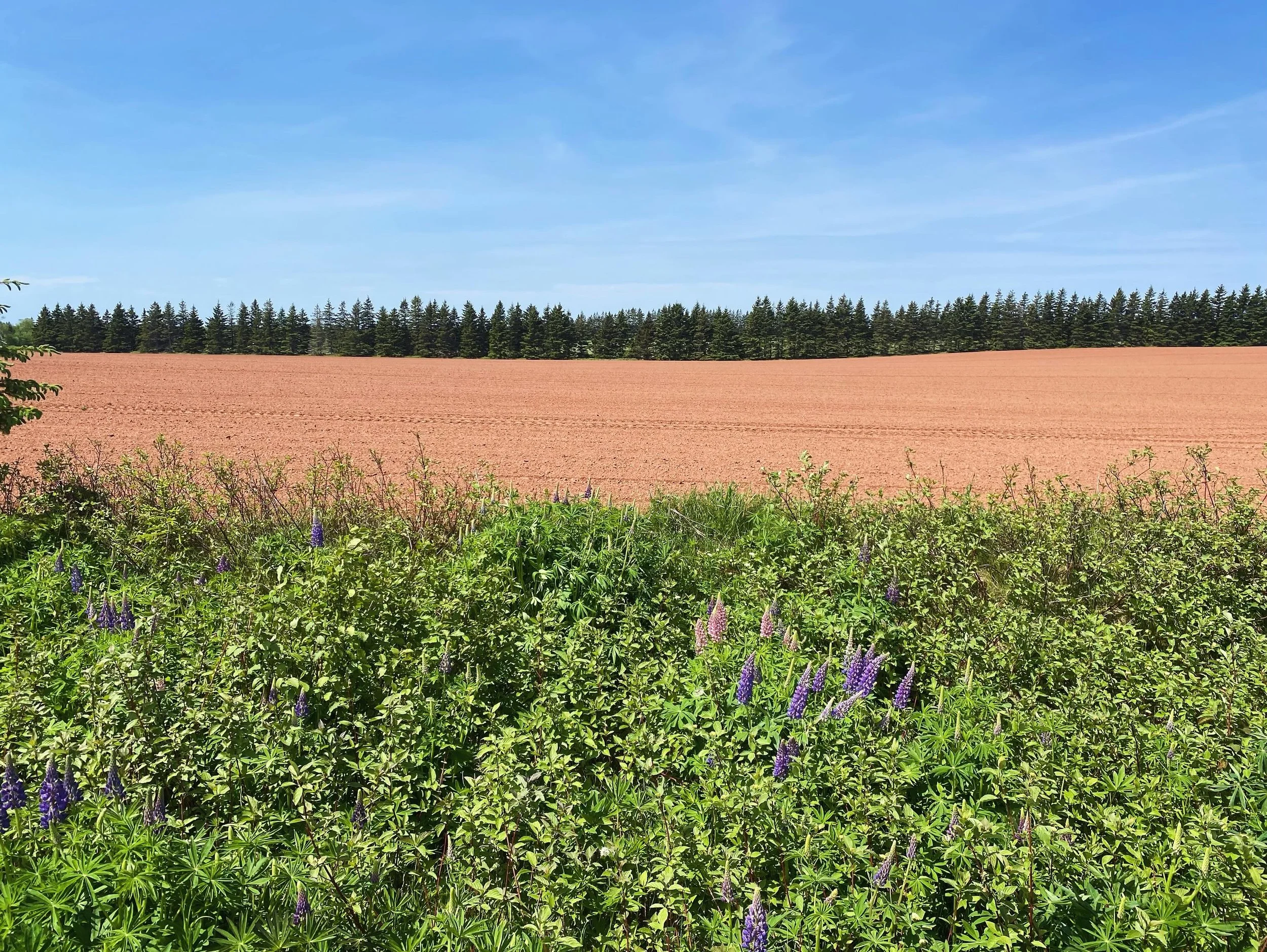
On my bike-abouts, the sweetness of Victoria-by-the-Sea stood out. I loved witnessing the century homes and the raw access to the coast. All of the roads surrounding The Hideout inspired- during my stay I received a near-satirical show from the ditch flowers. The daily color-deepening and blooming of the lupins was a legacy all its own.
On one bike ride in particular I was moved by the Cape Traverse National Historic site where the monument described the will to ship mail to and from the mainland over iceboat, and the effort, expense, and progress of purchasing a cable for the first ferry-crossing. History often cripples me with the relics and ghosts of things we now take for granted. Walking the Hideout property it was easy to see old mill infrastructure and dykes in nearby fields, sacred evidence of the many lives lived there.
What projects are you working on next and where can folks find your work?
While I have had writing recognition and achievement, my work remains elusive to publication or print. I will continue to patiently create and submit, and find great satisfaction in sharing with those close to me. Meaning comes from the conversations sparked by my stories.
Hollow and Whole will simply get bigger and remain my focus. My stories and poetry in this series are mostly attached to anatomy, however, I also explore history and decommission in the form of roads and buildings. I plan to become more bold about place-names and proper nouns, bringing myself and readers closer to places in New Brunswick like Clarendon, Wirral, Lorneville and Jemseg. I want my creations to make places near me, and my experiences in them, come to life and matter.
_____
Amy is a massage therapist and yoga instructor based in Saint John, New Brunswick. She is easily found on a street-facing patio with a glass of red wine and pen and paper, collecting her thoughts while staring intermittently into the 1800s bricks that surround her. She is otherwise walking uptown Saint John streets with her eyes lifted and her neck craned admiring pillars, seeking timestamps and cornerstones.
Her writing is influenced by anatomy, architecture, and backroads. She is soothed by hiking, and conditions her mind by mountain biking through rooty, rocky, trail. She holds a graduate certificate in creative writing from the Humber School for Writers, in which she refined her novella Unfurl, a story of yoga and betrayal trauma threaded with supernatural elements of Hawaii’s volcanoes, and New Brunswick’s floodplains.
Her poetry manuscript Cliffs and Piles won the 2022 Writer’s Federation of New Brunswick’s A.G. Baillie prize for best poetry manuscript. August Apples, a selection from that collection, was shortlisted for the Malahat Review Far Horizons poetry prize. Amy continues to write daily combining poetry and short stories, and keeping special note of abandon, ruin, and decommissioned infrastructure on New Brunswick’s backroads.
_____
All photos appear courtesy of Amy Murphy.
