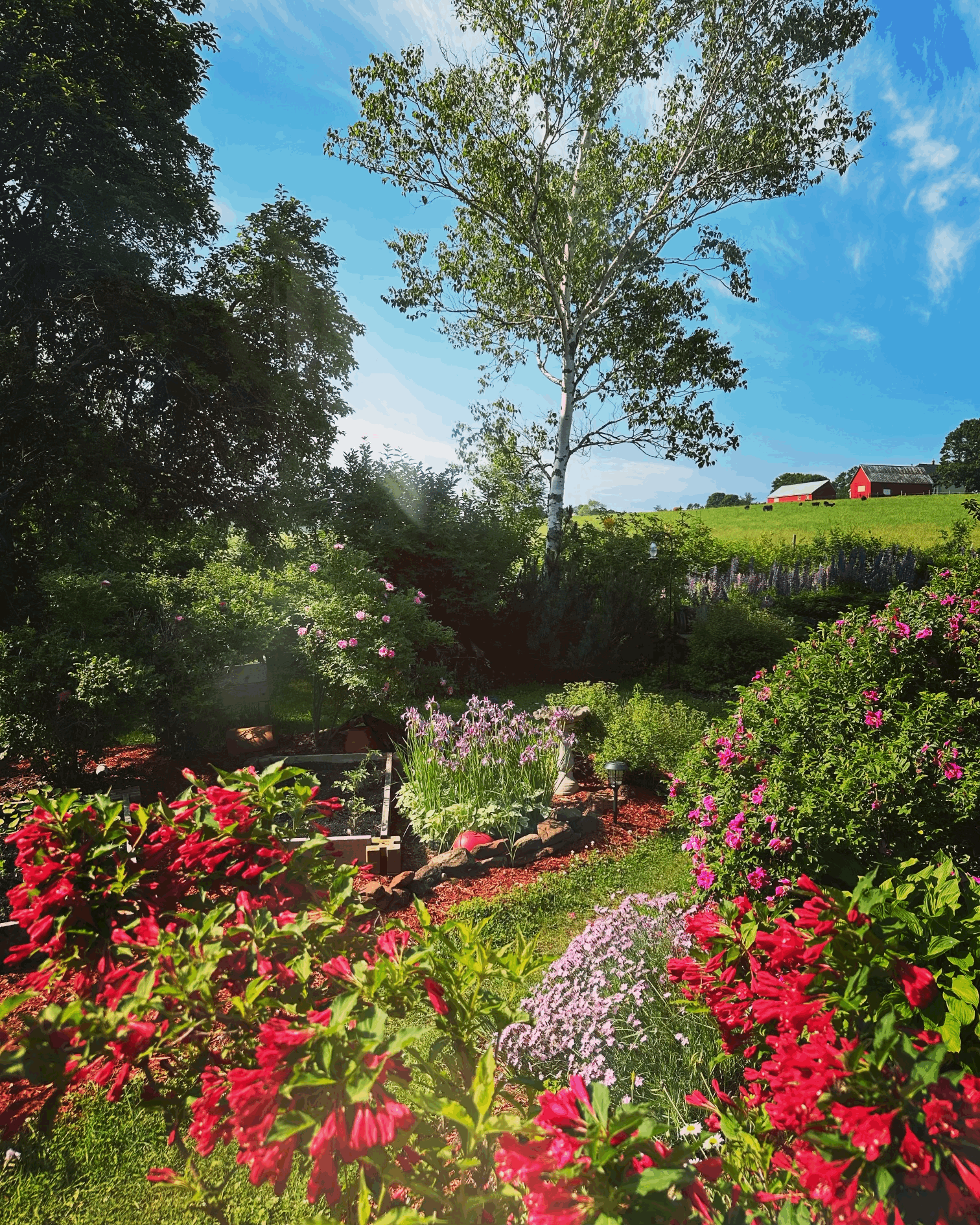
Inner exploration: Ralph Haddad on editing and inspiration
/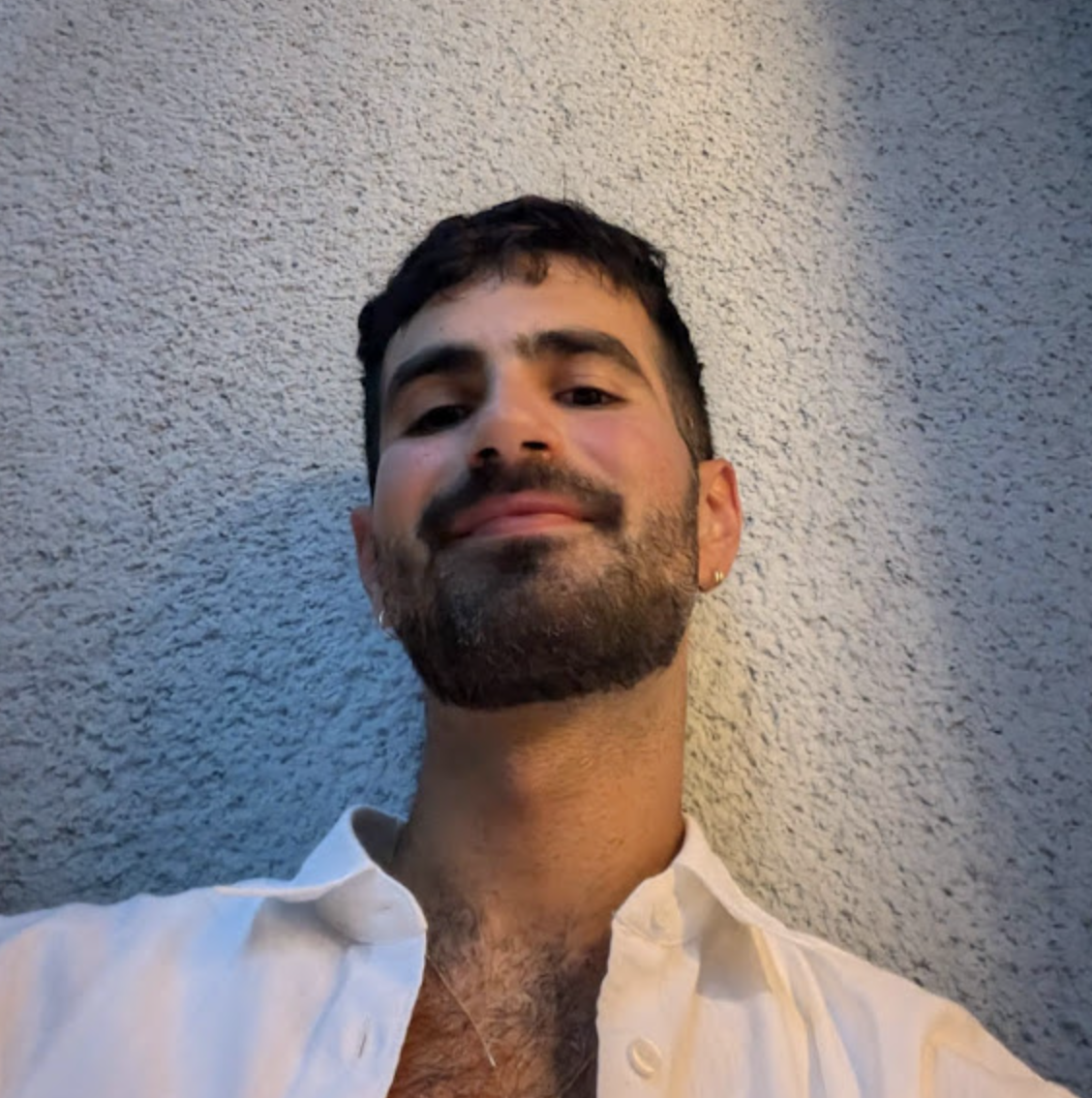
Ralph stayed in The Cottage in fall, 2026, working on his debut memoir. We were immediately hooked by the writing and the premise of the book, exploring queer desire, friendship, and the aftermath of the Beirut Explosion in 2020. It was Ralph’s first visit to PEI and he was gracious enough to answer a few questions about this first trip and his editing and creative process.
Tell us more about the project you were working on at The Hideout. What were your goals and what did you accomplish?
When I came to The Hideout I had been expecting to receive the bulk of a developmental edit on a memoir I was writing––around my survival of the Beirut Port Explosion in 2020, a rocky relationship dynamic I had been navigating at the time, and life amid utter collapse. This work would be a debut for me, it was a first to engage in a process of line editing, and essentially handing my ‘voice’ over to a complete stranger and asking them for their feedback. My overall goal was to complete the first batch of edits and come up with a clean draft of the initial part of the manuscript.
However, I felt like most of the work for me was around thinking and understanding what this project meant to me, what it meant to see it change on the page, and navigating a distinct tension––the feeling of alienation from the work itself as it changed. While a clean draft of the first part of the manuscript was accomplished (and I have no issue with extending myself under imposed deadlines), I felt like I came out of the experience with a different sense of accomplishment: that of realizing that the boundaries of the project extend far beyond what I had initially constructed. I had effectively broadened my worldview about what I could accomplish if I disconnected myself from the voice of the narrator.
While I am writing what can be considered a memoir, it was also time to realize that who I am now––writing this book, looking into the past––is not the same person as who I was. We are two different people. That freed me from a trap I had conceived for myself––that of the ego, and wanting things to be neat and articulated, rather than let memories run amok on the page and make a mess of themselves, to reveal myself, and to let go of the ego.
What does a regular creative practice look like for you?
The unmedicated ADHD writer’s practice consists mainly of opening a new document tab on Chrome and watching the screen melt white for hours. That’s all to say that for me, it’s a lot more thinking than writing. I like to keep a small notebook around, and articulate initial thoughts out on pen and paper first, allow myself to ramble, and see what ends up sticking. Most of the work is handwritten and transcribed electronically after the overall idea is mostly articulated on paper. The analogue helps calm the mind here. There’s also very long walks around the neighbourhood, a lot of driving around aimlessly, lost in thought.
I ended up carrying this notebook around with me on the Island as I wandered around discovering coves, beaches, parks, and letting the sheer natural beauty all around guide and inspire me.
Why were you drawn to a residency at The Hideout?
I liked the idea that there was a place I could cultivate my project as an emerging writer. It felt extremely “no frills”: I didn’t need an entire publication history, representation, or a sophisticated approach to be able to gain access. I had also simply never been to PEI before, and felt drawn to it somehow. It was a good opportunity to discover another side of Canada, and I needed to get away. Montreal, in all its charm, can feel like a tiny bubble, and working and writing from home was beginning to take its toll. I had begun to feel stuck in my process. Then one day I came across The Hideout online. The rest is history.
What were some of the highlights of your time on PEI?
It’s the first place that made me feel truly grounded here, in Canada. I’m a naturalised immigrant, and I’ve held my citizenship for the better part of a decade, but I never felt like I truly belonged. Being immersed in the best of PEI, away from everything, surrounded by the sea on one side and rolling green hills, forests, and pastures on the other, made me feel rooted.
I remember driving to The Cottage on my first day, and suddenly seeing the ocean open up before me; I had a flashback of being back home, in Lebanon, driving down from the mountains. My body relaxed a little, it felt like it had arrived somewhere familiar. I carried that feeling with me for the rest of the week, and it definitely helped me finalize the initial edits, and produce new supercharged material in the process.
What projects are you working on next and where can folks find your work?
Right after I came back from PEI, I took a trip to Barcelona in October, rented a car and drove up north along the Costa Brava. It was completely deserted, no tourists, barely any traffic. It felt like a liminal experience, to be travelling to such a magical place in the so-called off-season. I started getting an idea for a collection of short stories that don’t really belong, called “Shoulder Season”––stories that are liminal in their encounters and experiences, that feel in-between. I had always felt like I’d want to dive more into the short story form for my next project, and these two back-to-back “shoulder season” trips––to PEI and to Spain––felt like glimpses into what it could begin to look like. As usual with me, the long hours of thinking will eventually be followed by writing––eventually.
I am on Substack and I have a tremendous 15 followers, you can find me here. It started as a platform for playing around with new material, and I rarely post on there lately as I continue to work on the edits for my debut, but I think I’ll be picking it up again very soon. I’ll also be featured as a regular contributor on the Consequence Forum a few times starting next year, you can find them here.
Ralph Haddad is a queer Lebanese writer and researcher living between Beirut and Montreal. His work explores memory, intimacy, displacement, and urban life in Lebanon and the diaspora. Drawing from personal narrative and cultural observation, his writing focuses on the relationship between domestic life, political rupture, and the emotional afterlife of place.
